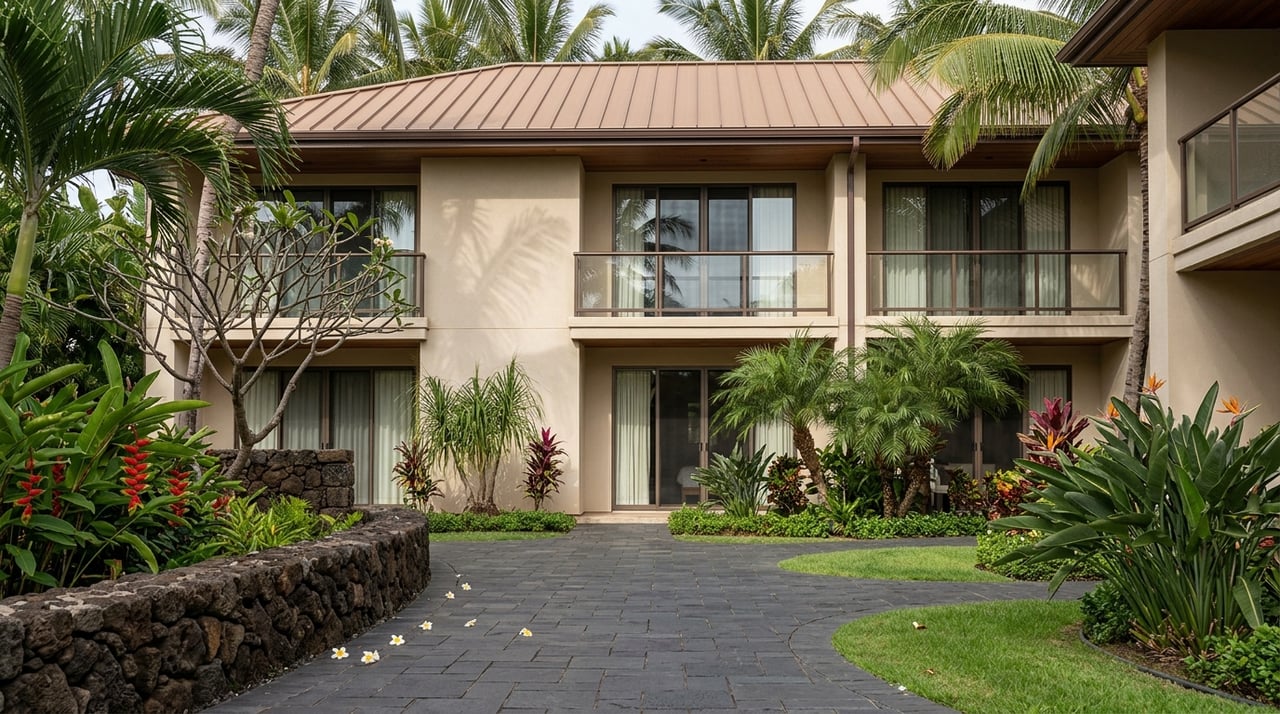
Dreaming about a vacation condo in Poipu? You are not alone. For many buyers, Poipu offers the mix that is hard to find elsewhere on Kauai: resort convenience, beach access, and the possibility of part-time personal use with income potential. The catch is that not every condo works the same way, and the details can have a big impact on your budget and plans. This guide will help you focus on the key questions to ask before you buy. Let’s dive in.
Why Poipu condos stand out
Poipu holds a unique place on Kauai’s South Shore. According to Kauai County’s South Shore planning documents, Poipu functions as both a residential community and the island’s largest visitor destination area, with about 40% of Kauai’s resort accommodations. That helps explain why buyers are often drawn to the area for its location, walkability, and vacation-rental appeal.
That demand also shows up in pricing. Current Poipu market data shows a median home sale price around $1.25 million, with condo listings ranging from roughly $289,000 to about $2.495 million. In other words, there is a wide range of options, but prime location and resort-style living usually come at a premium.
Start with rental legality
If you hope to rent out your condo for short stays, this should be your first filter. On Kauai, short-term rentals under 180 days are not allowed outside the Visitor Destination Area unless the property has a valid non-conforming TVR or homestay permit, according to the Kauai County TVR page.
That means you should never assume a unit can be legally rented nightly just because it has been marketed that way in the past. The county advises buyers to request the full permit file, the latest renewal, and the renewal letter for any existing TVR property. If a property is not on the approved list, it may be under appeal or subject to enforcement.
What to verify before closing
Rental permit status should be treated as a closing issue, not something to sort out later. Kauai County also states that a new owner should update the TVR file within 30 days of recordation.
Before you move forward, confirm:
- Whether the condo is inside the Visitor Destination Area
- Whether it has a valid TVR or homestay permit, if needed
- Whether the seller can provide the full permit history and latest renewal documents
- Whether there are any pending compliance issues
- Whether your intended use matches county rules and project rules
For some buyers, this step alone helps narrow the field quickly.
Understand the tax side of ownership
A vacation condo budget is not just about the mortgage and HOA dues. Hawaii treats rental income from houses and condos as taxable business activity. According to the State of Hawaii tax guidance for rental property owners, General Excise Tax applies to rental income, and Transient Accommodations Tax applies to short-term rentals of fewer than 180 days.
For 2026 and later, the state TAT rate is 10%, and Kauai County’s transient accommodations tax is 3%. The county and state TAT are filed and paid separately. If you are buying with the goal of offsetting costs through rentals, these taxes need to be part of your pro forma from day one.
Look beyond the purchase price
Two Poipu condos with similar square footage can have very different monthly carrying costs. That is why your buying decision should include a full ownership-cost review, not just a look at the list price.
Based on current listing examples in Poipu, HOA fees can range from about $715 per month to more than $2,130 per month, with many active listings clustering around $1,200 to $1,900 per month. Those fees may cover different things, so the amount alone does not tell the full story.
Common monthly costs to budget for
When you evaluate a condo, ask for a realistic monthly breakdown that may include:
- HOA dues
- Property taxes
- Insurance
- Utilities, if not included in the HOA
- Land lease payments, if the unit is leasehold
- GET and TAT obligations if you plan to rent short term
- Maintenance or furnishing costs tied to rental use
One current listing example shows estimated monthly costs including property tax, insurance, and HOA dues totaling far more than many buyers initially expect. That is a good reminder that your monthly budget should be stress-tested early in the search.
Fee simple vs. leasehold matters
In Poipu, tenure is a major issue. Some condos are fee simple, which means you own the unit and the associated interest in the land. Others are leasehold, which means you own the unit interest for a period of time but not the land itself.
This difference affects more than semantics. Current listing examples show leasehold condos that combine an HOA fee with a separate monthly land lease payment. That can materially change affordability, financing options, and long-term value planning.
Questions to ask about tenure
Before making an offer, confirm:
- Is the condo fee simple or leasehold?
- If leasehold, what is the current land lease payment?
- When does the lease expire or reset?
- Are there financing limitations tied to the tenure?
- How does the tenure affect your long-term plans for use or resale?
This is one of the most important details for second-home buyers, especially if you are comparing several complexes at once.
Compare projects carefully
Poipu condos are not interchangeable. Some projects emphasize walkability to beaches and shops. Others focus on resort amenities, beachfront access, or strong vacation-rental activity. Even when two properties look similar online, the ownership experience can be very different.
For example, current listings highlight differences among developments such as Poipu Kapili, Waikomo Stream Villas, and Kiahuna-area properties. Some are fee simple, some are leasehold, and some include amenities like club access or other resort benefits. Those differences can shape both lifestyle and carrying costs.
What to compare between complexes
As you narrow your options, focus on practical questions like these:
- What is included in the HOA?
- Are reserve funds strong?
- Are special assessments likely?
- Are there parking rules or limitations?
- Are there furniture requirements for rental use?
- Is there an on-site or approved rental program?
- Is self-management allowed?
- Are there project-level rental restrictions?
These details often matter more than countertop finishes or staged decor.
Management logistics can affect ownership
If you do plan to rent the condo, management is not a small detail. Kauai County’s TVR requirements include maintaining the permit file, keeping a 24/7 on-island contact, and providing evacuation and tsunami-zone information where applicable, as outlined in the county’s 2026 TVR renewal materials.
That means you should understand how the building and your ownership plan will support those obligations. Some buyers prefer a project with an established rental program or clear management structure. Others want more flexibility, but that only works if the project rules and county requirements allow it.
Renovation plans need extra review
It is easy to assume you can buy an older condo and improve it over time. In coastal Poipu, that may be possible, but you should not assume the approval path will be simple.
Kauai County maintains Special Management Area and shoreline setback procedures that can affect exterior work and some renovation plans. If you are buying with upgrades in mind, confirm early whether the building or parcel may be subject to added review. This is especially important in older resort projects where deferred maintenance, coastal exposure, and insurance costs may already be part of the ownership picture.
A smart Poipu condo strategy
A vacation condo in Poipu can be a meaningful lifestyle purchase, a legacy property, or a part-time retreat that supports your bigger financial goals. The key is making sure the condo fits the way you actually plan to use it.
That means matching your purchase to the right legal use, the right tenure, the right project rules, and the right monthly budget. When you take the time to verify those pieces up front, you can shop with much more confidence and avoid expensive surprises later.
If you are thinking about buying in Poipu, we would be glad to help you compare complexes, review the fine print, and make sense of the numbers in a calm, practical way. Connect with Milo Spindt to start your Kauai home journey.
FAQs
Is nightly rental legal for every vacation condo in Poipu?
- No. In Poipu, short-term rental legality depends on whether the condo is in the Visitor Destination Area or has a valid non-conforming TVR or homestay permit.
What costs should I budget for when buying a Poipu vacation condo?
- Beyond the purchase price, you may need to budget for HOA dues, property taxes, insurance, utilities, land lease payments if applicable, and Hawaii rental taxes if you plan to rent the condo.
What is the difference between fee simple and leasehold in Poipu condos?
- Fee simple generally means you own the condo interest along with the related land interest, while leasehold means there is a separate land lease structure that can affect monthly costs, financing, and long-term planning.
What should I verify before making an offer on a Poipu condo?
- You should confirm rental permit status, whether the unit is fee simple or leasehold, what the HOA covers, the project’s reserve strength, any likely special assessments, and whether the condo matches your intended use.
Can remodeling a Poipu condo require extra approvals?
- Yes. Because Poipu is coastal, some exterior work and renovation plans may require added county review under shoreline setback or Special Management Area procedures.