Wondering if Kalaheo is the right fit for you, your lifestyle, and your budget? You are not alone. Many buyers love its cooler upcountry feel and quick access to Poipu, but the right choice comes down to lot type, utilities, and a few island-specific trade-offs. In this guide, you will learn how Kalaheo’s microclimate, elevation, zoning, and inspections shape smart decisions so you can move forward with clarity. Let’s dive in.
Why Kalaheo catches buyers’ eyes
Kalaheo sits inland on Kauai’s South Shore at a higher elevation than the resort strip, which can mean greener views, cooler breezes, and a quieter residential pace. The community spans hillsides and valleys, so you will see both compact in-town lots and larger rural parcels. If you want space, privacy, and a local feel within an easy drive to beaches and dining, Kalaheo is worth a close look.
At the same time, hillside living comes with details to verify. Slope stability, drainage, cesspools or septic systems, and utility availability can vary by street. With a clear plan, these checks are manageable and can help you negotiate a better outcome.
Microclimate, elevation and daily life
Kalaheo’s center sits roughly 600 to 700 feet above sea level, and local topography rises higher in some areas. You can expect cooler temperatures than the coastline and more frequent rain in mauka locations. That variation is part of Kalaheo’s appeal, especially if you prefer greener landscapes.
Because weather shifts by elevation and exposure, avoid absolute assumptions. Use regional references and parcel-specific checks, then plan your home systems accordingly. For example, covered parking, good roof flashing, and drainage matter more on windward or steeper sites.
- Get a quick feel for elevation by reviewing the community overview for Kalāheo’s location and elevation.
- Use topographic tools to gauge slope and gulches near a parcel. A helpful starting point is TopoZone’s Kalaheo map.
Neighborhood trade-offs: in-town vs upcountry
In-town streets near Kaumualii Highway offer easier access to shops and services. Lots tend to be smaller and flatter, and utility connections are more standardized. This setup can simplify renovations, add-ons, or future resale.
Upcountry and side-street areas feel more private, often with larger lots, steeper driveways, and more vegetation. Expect more rain in some pockets and a greater need to confirm drainage, retaining walls, and utility runs. If you prioritize ocean glimpses and cooling trade winds, you may find them higher on the hill, paired with steeper site conditions.
Lot sizes, home styles and what to expect
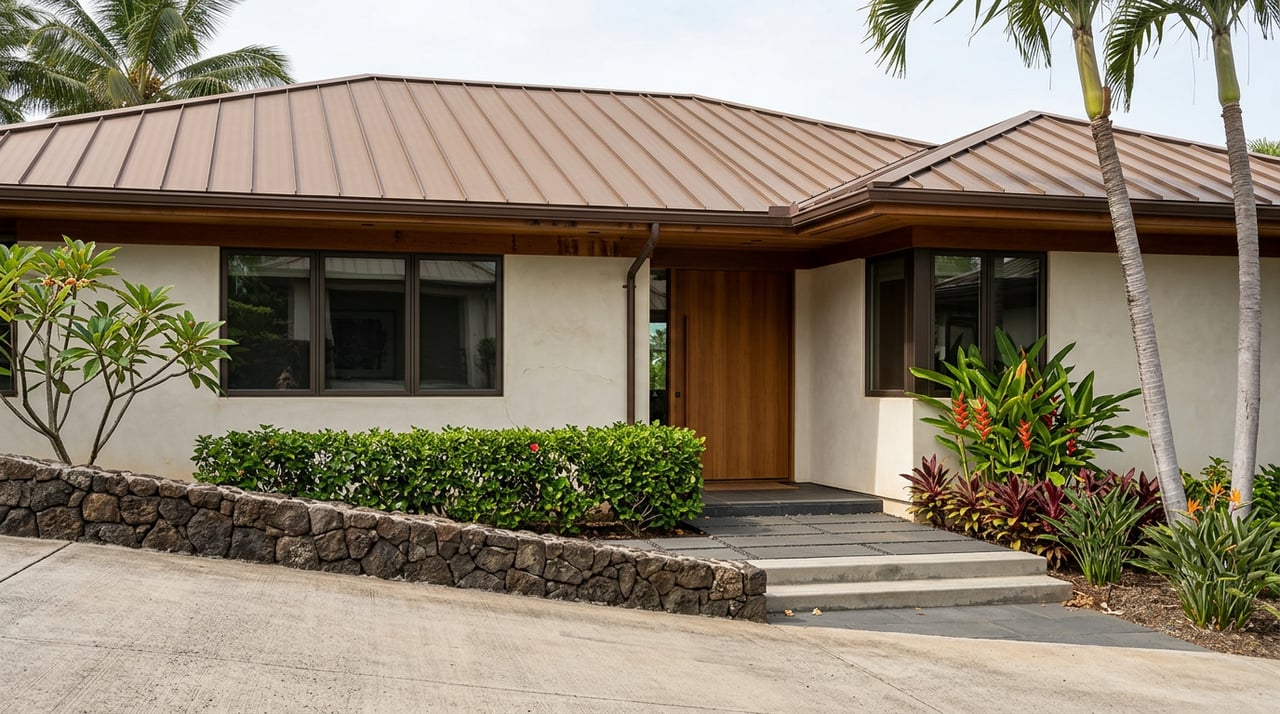
Kalaheo’s housing is classic island residential. You will find ranch-style single-family homes, modest two-story homes with plantation influences, and custom builds on larger parcels. Lot sizes range from in-town quarter-acre parcels to half-acre or multi-acre hillside sites.
If you want room for gardens or privacy buffers, larger parcels mauka can deliver. If you plan to build, design for slope and maintenance. For existing homes, review permits for past earthwork, retaining walls, and drainage upgrades.
Short-term rental rules and zoning
If you hope to offset costs with vacation rentals, know this up front. Kauai County limits short-term rentals under 180 days to designated Visitor Destination Areas. Most of Kalaheo sits outside those zones.
Before you write an offer, confirm whether a property holds an approved nonconforming TVR certificate or homestay permit. These are rare and require careful County confirmation. Review the County’s guidance on Transient Vacation Rentals and TVR rules for a high-level overview, then verify parcel status with Planning.
How the Kalaheo market behaves
Kalaheo tends to draw owner-occupants who want a quieter, residential feel within a short drive to Poipu amenities. Market conditions shift month to month, and island price bands can behave differently. Cash offers are common in some segments, and days on market can vary by list price, views, and condition.
Since metrics change, your best move is to review current MLS absorption, days on market, and price trends just before you write. We will walk you through what is moving quickly and where negotiation room likely exists based on the latest data.
Smart offer strategy in Kalaheo
Offer terms often matter as much as price. Clear contingency timelines, realistic inspections, and strong communication set you up for success. If a property is on a slope, include time for engineering review. If wastewater is a cesspool, include cost estimates and program checks for potential credits.
- Uphill view homes may command premiums for views and breezes. Focus on comps with similar elevation and outlook.
- Valley or gulch-adjacent lots may justify drainage or erosion contingencies. Document conditions and bring a civil or geotechnical pro in early when needed.
Inspections that matter on Kauai
You should order a full home inspection plus Hawaii-specific add-ons. Kauai’s environment requires extra attention to pests, moisture, and salt air.
- Termites and WDO: Formosan subterranean termites are established on Kauai. Plan for a dedicated termite inspection and budget for preventive treatments if needed. The University of Hawaii explains the species and control methods in its overview of Formosan termite risks.
- Roof and flashing: Check for corrosion, penetrations, and material lifespan in our island climate.
- Moisture and mold: Inspect enclosed spaces, attic areas, and behind finishes where possible.
- Slope and retaining walls: If the site is steep or shows signs of past earthwork, add a geotechnical review. Landslide susceptibility is site specific and benefits from professional evaluation. The National Academies outline why soils and slope conditions warrant expert review in their landslide risk discussion.
Cesspools, septic and what to verify
Wastewater deserves focused attention on Kauai. Many older homes still use cesspools. Hawaii’s Act 125 requires cesspool conversion, and the Department of Health provides guidance, records, and program details. Confirm what serves the property today and what approvals exist.
- Start with the DOH Wastewater Branch. Verify if the parcel has a cesspool or an approved Individual Wastewater System and whether an Approval to Use is on file. Review current guidance and tools on the DOH wastewater page.
- Ask about grants and timing. Kauai County has administered a Residential Cesspool Conversion Grant program to support homeowners. Check current status and eligibility on the County’s cesspool conversion grant program page.
- Budget realistically. Conversion costs vary by site complexity. Your offer can include time to collect contractor and engineering quotes so you understand the total picture before you remove contingencies.
Utilities and internet checks
Confirm the basics early. Rural or upcountry parcels can have longer utility runs or different service types.
- Electricity: Kauai’s electric provider is KIUC. Many owners pair rooftop solar with batteries to add resilience. Review interconnection rules and permits through Kauai Island Utility Cooperative.
- Water: Many Kalaheo homes are served by the Kauai Department of Water. Some rural parcels may rely on private wells or rainwater catchment. Confirm source and water test results. Start with the Kauai Department of Water.
- Broadband and cell: Availability varies by street and elevation. Ask sellers for their provider and actual speeds, then verify with address checks during due diligence.
Hazards, slope and drainage
Kalaheo’s varied topography means drainage planning is a must. Higher sites can collect runoff that needs to be directed away from structures. Lower or gulch-adjacent parcels may see localized flooding during heavy storms.
- Check FEMA Flood Insurance Rate Maps to understand any mapped flood zones for the parcel. Use the FEMA Map Service Center for quick lookups.
- Walk the site after rain when possible. Look for pooling, water lines on walls, and vegetation patterns that hint at flow paths.
- Review drainage plans and permits. Ask for any soils reports, retaining wall engineering, and past civil drawings if work has been done.
Your pre-offer checklist
Use this quick list to focus your diligence before you write:
- Confirm zoning and short-term rental status with County Planning. Review Kauai’s TVR rules and verify parcel status.
- Verify wastewater system type and records with the DOH. Start at the DOH Wastewater Branch.
- Check water service with the Kauai Department of Water. If not county served, confirm well or catchment details and test results.
- Review electric service and solar interconnection rules at KIUC.
- Pull FEMA flood maps for the address via the FEMA MSC.
- Inspect for WDO, moisture, roof condition, and corrosion. Add a termite inspection using the UH termite guidance as your rationale.
- If the lot is sloped or has retaining walls, include a geotechnical review informed by landslide risk best practices.
- Ask sellers for recent bills, permits, engineering files, and any cesspool grant documents from the County program page.
Ready to explore Kalaheo?
If you want a cooler, upcountry feel minutes from Poipu, Kalaheo delivers. The key is matching your priorities to the right street and lot, then using smart contingencies to protect your investment. We will guide you through slope, utilities, wastewater, and offer strategy so you can buy with confidence.
When you are ready, reach out. We would love to learn your goals and craft a plan that fits your family, timeline, and budget. Connect with Milo Spindt and the Ohana Homes Group to start the conversation.
FAQs
What makes Kalaheo’s climate different from Poipu?
- Kalaheo sits at a higher elevation, which often feels cooler and greener than the coastal resort strip. Conditions vary by street and slope, so verify at the parcel level.
How do short-term rental rules affect buying in Kalaheo?
- Most of Kalaheo is outside Visitor Destination Areas, so whole-home vacation rentals are generally not allowed unless the property has a rare, properly maintained nonconforming TVR certificate confirmed by County Planning.
What inspections are essential for Kalaheo hillside homes?
- Order a home inspection plus termite, moisture, and roof checks. For sloped lots or retaining walls, add a geotechnical review and drainage evaluation before removing contingencies.
How should I approach cesspools or septic in Kalaheo?
- Confirm the system type with the DOH, review any Approval to Use, and budget for potential conversion. Ask about County and State programs that may offset costs and include time to get contractor quotes.
Which utilities should I verify before making an offer?
- Confirm electric service and solar options with KIUC, water service with the Kauai Department of Water, and real-world internet speeds and provider options from the seller and provider address checks.
How do slope and drainage affect value and negotiation?
- Uphill view homes often command premiums for outlook and breezes. Valley or gulch-adjacent parcels may justify contingencies or credits for drainage, erosion control, or wastewater conversion based on documented conditions.